

Mitochondrial Genome Stability and DNA repair
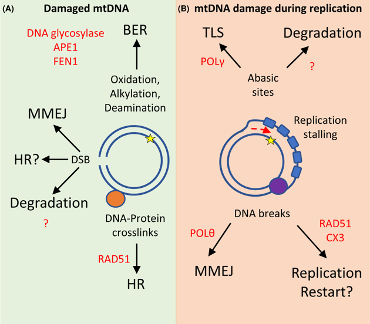
Mitochondrial dysfunction has a proven role in several heritable disorders, neurodegenerative disorders, chronic fatigue syndromes, and cancers such as glioblastoma. Each cell contains hundreds to thousands of copies of the mitochondrial genome (mtDNA) – a 16.5Kb circularized DNA fragment containing 37 genes critical for mitochondrial and associated cellular functions. In contrast to the nuclear genome, it remains unclear which DNA repair mechanisms protect the mtDNA from acquiring damage despite the high-mutagenic burden associated with cellular respiration and reactive oxygen species (ROS). This project aims to elucidate the mechanisms that protect and repair mitochondrial DNA.
Investigating the Mitotoxicity of Fluoroquinolones
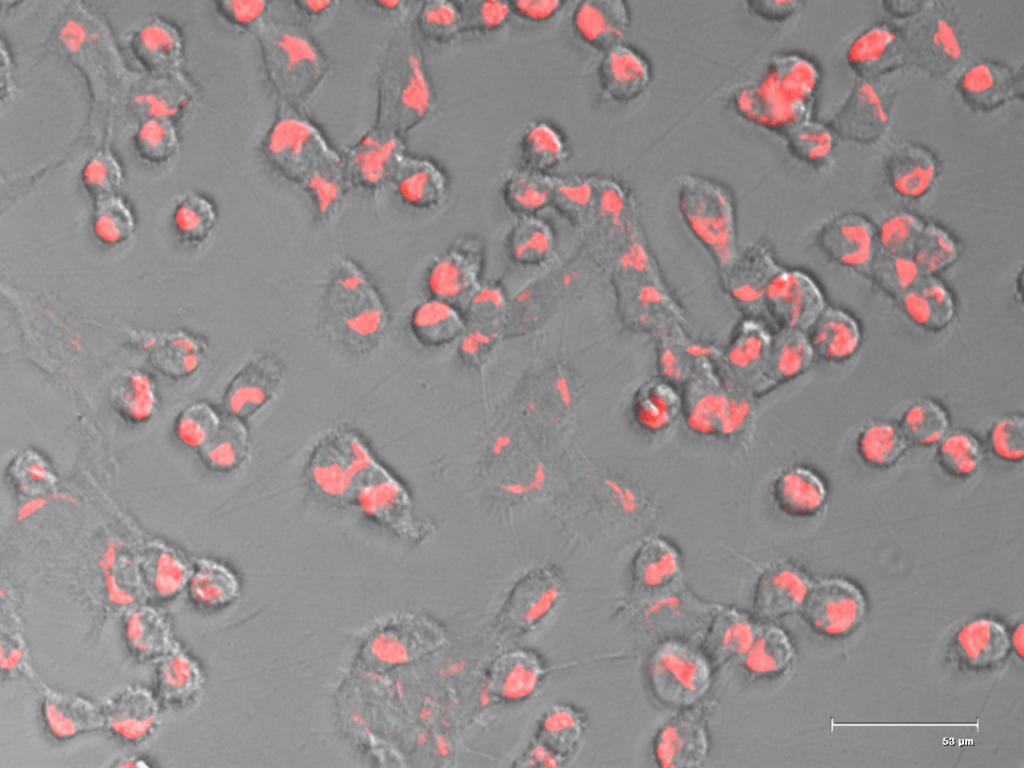
Antibiotics are the most fundamental tools we have in the fight against bacterial infections. Without these drugs, bacterial infections that could otherwise be easily treatable could become life-threatening, as such it has become paramount to ensure that these drugs can continue to be used and remain effective. A group of these antibiotics, known as fluoroquinolones, have been shown to cause number of severe and potentially permanent disabling side-effects in a proportion of the people who are prescribed them. This has resulted in the use of these highly-effective antibiotics being limited due to potential side-effects. Further research has demonstrated that the side-effects of fluoroquinolones result from defects in mitochondria in some patients, though it is unclear why some individuals suffer these side effects while others do not. This research aims to uncover the molecular basis of these severe adverse reactions.
Predicting pathogenicity of mutations in DNA repair proteins
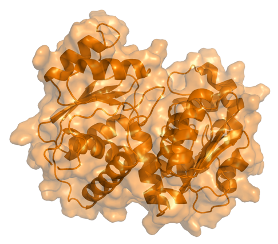
Loss-of-function mutations in proteins in DNA repair proteins can be used to predict response to therapeutics and guide precision medicine approaches to treating diseases such as cancer. Despite the proven efficacy of this approach, variants identified in DNA repair genes are often classified as variants of uncertain significance (VUSs). This project aims to use machine learning to train create gene-specific prediction models to classify VUSs as either damaging or not-damaging to a proteins function. Data contained within the model may also help identify regions or domains of functional importance in these proteins.
Investigating the antimicrobial activity of hydroquinine
Hydroquinine, a cinchona alkaloid, has been shown to exhibit antimicrobial activity against a range of microorganisms including drug-sensitive and multidrug-resistant strains of Pseudomonas aeruginosa. In collaboration with Naresuan University (Thailand), we aim to characterise the molecular mechanism by which hydroquinine elicits its activity and examine whether the compound exhibits cellular toxicity at the doses required.
 Baldock Lab